


Understanding PTSD in Military Veterans
Introduction
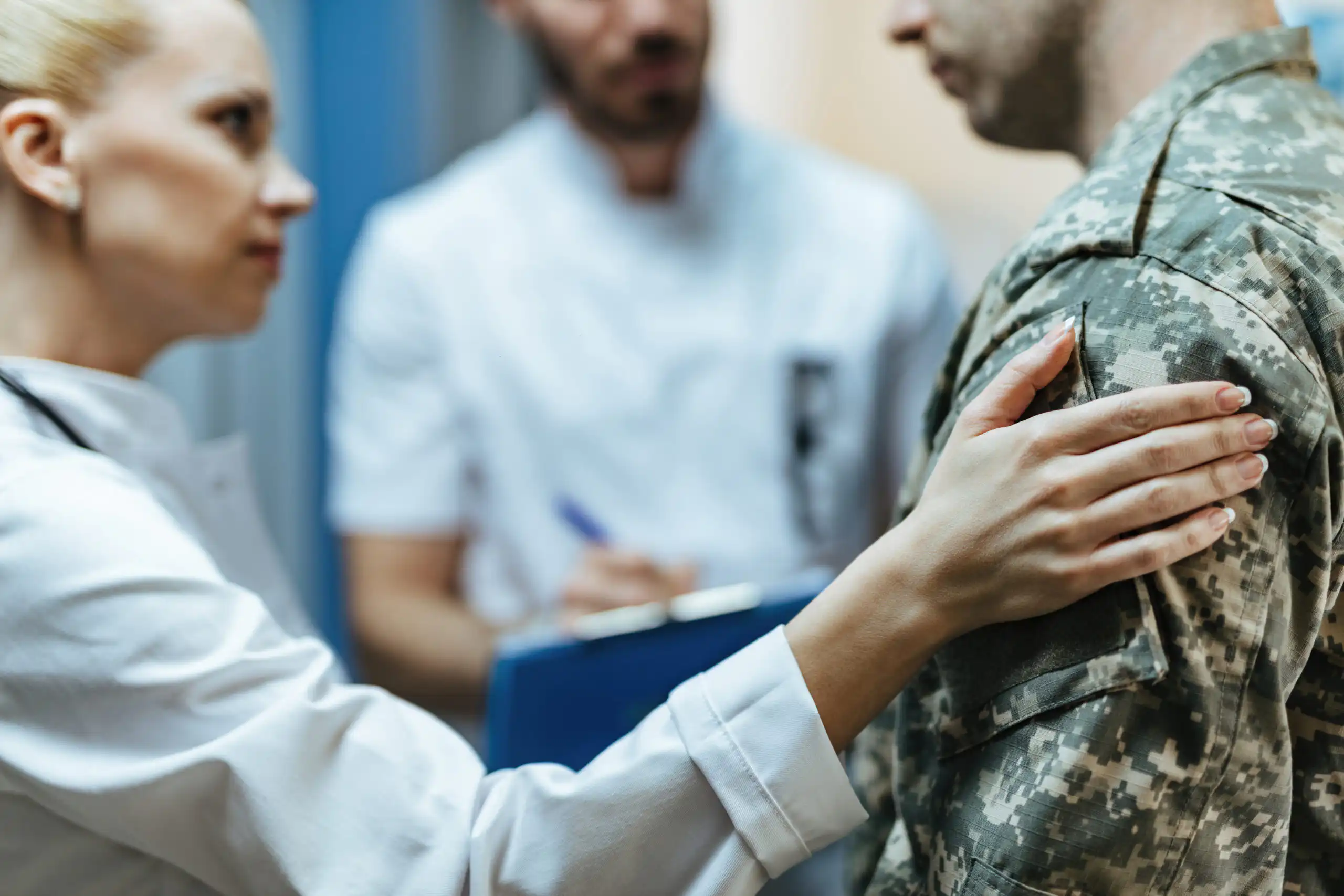
The invisible scars of service cut deeper than any physical wound. PTSD in Military Veterans affects nearly one in five service members who deployed to Iraq and Afghanistan, yet it remains shrouded in misunderstanding and stigma [1]. This isn’t weakness—it’s a natural response to unnatural circumstances. Moreover, it’s a treatable condition that doesn’t have to define your future. Understanding combat PTSD means recognizing both its complexity and the genuine hope that exists for those willing to seek help.
What is PTSD in Military Veterans?
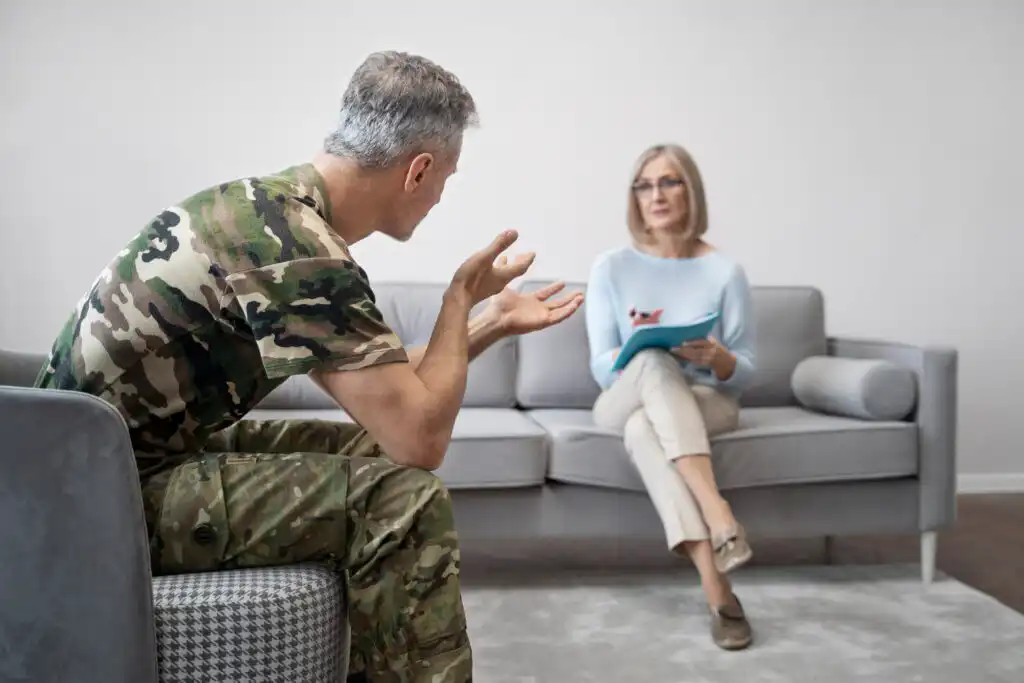
PTSD in Military Veterans develops when traumatic experiences overwhelm the brain’s ability to process them normally. Unlike civilian trauma, war PTSD stems from sustained exposure to life-threatening situations where hypervigilance meant survival [2]. Your nervous system learned to stay on high alert—unfortunately, it forgot how to turn off when you returned home.
The condition manifests through changes in brain chemistry, particularly affecting areas responsible for memory, emotion regulation, and threat detection [1]. Consequently, everyday triggers can activate full-blown survival responses. A backfiring car becomes gunfire; crowded spaces transform into potential ambush sites. These reactions aren’t irrational—they’re your brain trying to protect you based on experiences where such vigilance kept you alive.
Causes of PTSD in Military Veterans
Combat exposure remains the primary trigger, yet soldiers with PTSD develop the condition through various traumatic experiences. Direct engagement in firefights, witnessing casualties, or handling remains of fallen comrades all contribute significantly [3]. However, military ptsd extends beyond traditional combat scenarios.
Military sexual trauma affects both men and women in uniform. Additionally, sustained threat from improvised explosive devices creates chronic stress that persists long after deployment [2]. Medical personnel treating catastrophic injuries, logistics specialists handling remains, and intelligence analysts viewing disturbing imagery daily all face trauma exposure. Furthermore, moral injury—actions witnessed or performed that violate core values—frequently intertwines with symptoms of ptsd in veterans [1].
Multiple deployments compound these risks exponentially. Each tour adds layers of exposure, particularly when recovery time between deployments proves insufficient [3]. Genetic predisposition and pre-existing mental health conditions also influence vulnerability to developing PTSD in Military Veterans.

Symptoms of PTSD in Military Veterans
Signs of PTSD in veterans typically manifest across four categories. Intrusive memories—flashbacks, nightmares, and severe distress when reminded of trauma—represent hallmark symptoms [4]. These aren’t mere unpleasant memories; rather, they’re visceral re-experiences as terrifying as the original events.
Avoidance behaviors develop as coping mechanisms. Veterans might avoid places, people, or conversations triggering trauma memories [2]. While understandable, these strategies prevent healing and perpetuate suffering. Emotional numbness, inability to experience joy, and detachment from loved ones characterize negative mood changes associated with PTSD in Military Veterans [3].
Hyperarousal symptoms include constant scanning for threats, exaggerated startle responses, irritability, and sleep disturbances [4]. Your body remains locked in combat mode, exhausting you while feeling impossible to control. Additionally, physical symptoms—chronic pain, headaches, digestive issues—often accompany psychological ones, creating complex webs requiring comprehensive treatment [1].
PTSD Treatment for Veterans
Effective PTSD treatment for veterans combines evidence-based therapies with medication when appropriate. Research consistently demonstrates that treatment works—recovery is absolutely possible [3]. Early intervention significantly improves outcomes, though veterans often wait years before seeking help for veterans with PTSD due to stigma or cultural barriers.
Comprehensive approaches address co-occurring conditions alongside symptoms of ptsd in veterans. Depression, anxiety, substance abuse, and chronic pain frequently accompany combat PTSD [1]. Therefore, integrated treatment proves most effective, recognizing these challenges often reinforce each other.
Some Commonly Used Psychotherapies Are:
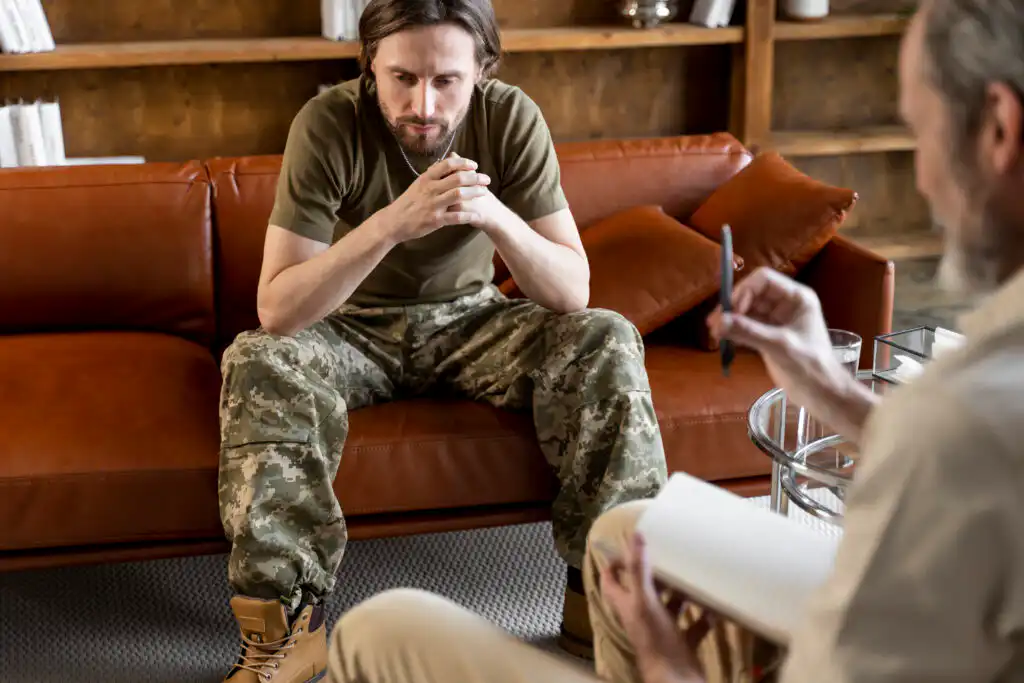
Cognitive Processing Therapy (CPT) helps examine and modify unhelpful trauma-related thoughts. Veterans write detailed accounts of traumatic events, identifying “stuck points” where thinking became distorted [3]. Through guided examination, you develop more balanced perspectives that acknowledge trauma without letting it define your entire identity.
Prolonged Exposure (PE) therapy systematically addresses avoided trauma-related memories and situations. This carefully structured process allows proper processing of incompletely processed events [2]. Veterans gradually confront feared situations in safe environments, discovering that anxiety decreases with exposure.
Eye Movement Desensitization and Reprocessing (EMDR) uses bilateral stimulation while recalling traumatic memories, helping reprocess them and reduce emotional charge [4]. Research demonstrates EMDR’s effectiveness for many veterans struggling with war PTSD, offering alternatives for those finding verbal processing difficult.
Medications for PTSD in Military Veterans
Selective Serotonin Reuptake Inhibitors (SSRIs) represent first-line medication treatment for PTSD in Military Veterans. Sertraline and paroxetine have FDA approval specifically for PTSD symptoms [3]. These medications adjust brain chemistry, helping regulate mood and reduce anxiety.
Prazosin specifically targets trauma-related nightmares by blocking adrenaline receptors [4]. Improved sleep quality cascades into better daytime functioning. However, medication isn’t a cure-all—it creates stability that makes engaging in therapy possible. The goal involves reducing symptom intensity to manageable levels allowing meaningful recovery work.
Self-Help Strategies for PTSD in Military Veterans
Beyond professional treatment, veterans can employ numerous resources for veterans with PTSD daily. Physical exercise proves remarkably effective for managing PTSD in Military Veterans symptoms [3]. Regular activity reduces stress hormones, improves mood, and provides healthy outlets for hyperarousal-generated energy.
Mindfulness practices help stay grounded in the present moment rather than trapped in past trauma [2]. Even brief daily practices—five to ten minutes—reduce anxiety and improve emotional regulation. Establishing routines provides structure that counteracts chaos associated with war ptsd [4].
Limiting alcohol becomes crucial. While substances might provide temporary relief, they ultimately worsen PTSD in Military Veterans symptoms and interfere with treatment [1]. Connecting with nature offers powerful healing benefits—time outdoors reduces stress and provides respite from overstimulating environments [3].
Therapy & Treatment for PTSD in Military Veterans at Garden Springs Wellness
At Garden Springs Wellness, we understand the unique challenges facing veterans struggling with PTSD in Military Veterans. Our specialized programs specifically address combat ptsd, delivered by clinicians experienced in working with military populations. We recognize veterans’ experiences differ significantly from civilian trauma, and our approaches reflect this understanding.
Our comprehensive care combines evidence-based psychotherapies with holistic healing modalities. Veterans receive individualized treatment plans incorporating CPT, PE, EMDR, and proven interventions for PTSD in Military Veterans. Additionally, we offer complementary therapies including yoga and art therapy—recognizing healing occurs through multiple pathways [5]. Our serene New Jersey location provides peaceful environments necessary for recovery while remaining accessible for families.
We address co-occurring conditions alongside PTSD in Military Veterans symptoms. Whether you struggle with depression, anxiety, substance use, or chronic pain, our integrated approach treats the whole person. Veterans deserve specialized care honoring their service while addressing current struggles. Our team creates spaces where military culture is understood, where seeking help demonstrates courage rather than weakness.
If you’re ready to begin your healing journey, please contact us for a confidential consultation. Recovery is possible, and you don’t have to face this battle alone.
Frequently Asked Questions About PTSD in Military Veterans
How long does PTSD in Military Veterans typically last? Without treatment, symptoms of ptsd in veterans can persist for decades. However, with appropriate intervention, many experience significant improvement within several months. Recovery timelines vary, but research demonstrates treatment accelerates healing compared to no intervention.
Can PTSD in Military Veterans be completely cured? Many veterans achieve complete symptom remission through comprehensive treatment. Others learn to manage symptoms effectively, reducing them to levels no longer significantly impacting daily functioning. The goal isn’t erasing memories but processing them so they no longer control your life.
What percentage of veterans develop PTSD in Military Veterans? Approximately 11-20% of veterans from recent Middle East conflicts experience ptsd symptoms yearly. Lifetime prevalence shows about 30% of Vietnam veterans experienced combat ptsd at some point, underscoring that while common, most service members don’t develop the condition.
Is medication necessary for treating PTSD in Military Veterans? Medication isn’t always necessary, though beneficial for many. Some respond well to therapy alone, while others require medication to manage symptoms sufficiently to engage therapeutically. The decision depends on symptom severity, preferences, and treatment response.
How can family members support veterans with PTSD in Military Veterans? Education about ptsd veterans symptoms helps families understand experiences. Patience, consistent support, and avoiding judgment create safe spaces. Encouraging treatment while respecting autonomy, maintaining routines, and seeking support for themselves helps families navigate this challenge.
Conclusion
PTSD in Military Veterans represents a serious but treatable condition affecting thousands who’ve sacrificed for our nation. Understanding causes, recognizing symptoms, and knowing effective treatments exist empowers veterans and families to pursue healing. From evidence-based psychotherapies to supportive medications, resources for veterans with PTSD continue expanding and improving. The path to recovery requires courage—the same courage that led you to serve. Don’t let another day pass living under trauma’s shadow.
Sources
[1] McLaughlin, K. A., Koenen, K. C., Bromet, E. J., Karam, E. G., Liu, H., Petukhova, M., Ruscio, A. M., Sampson, N. A., Stein, D. J., Aguilar-Gaxiola, S., Alonso, J., Borges, G., Demyttenaere, K., Dinolova, R. V., Ferry, F., Florescu, S., de Girolamo, G., Gureje, O., Kawakami, N., … Kessler, R. C. (2017). The American Journal of Psychiatry. – https://pmc.ncbi.nlm.nih.gov/articles/PMC5047000/
[2] Disabled American Veterans. (2024). Understanding PTSD. – https://www.dav.org/wp-content/uploads/DAV_PTSDBrochure-2.pdf
[3] U.S. Department of Veterans Affairs. (2024). PTSD: National Center for PTSD. – https://www.ptsd.va.gov/index.asp
[4] National Institute of Mental Health. (2024). Post-Traumatic Stress Disorder. – https://www.nimh.nih.gov/health/topics/post-traumatic-stress-disorder-ptsd
[5] Weill Cornell Medicine. (2024). PTSD Awareness Month Infographic. – https://weillcornell.org/news/infographic-ptsd-awareness-month

What to Expect from an Evening Mental Health IOP
Balancing mental health treatment with life’s daily demands can be challenging. Whether you’re w

6 Signs Someone Has an Anxiety Disorder
Anxiety is a normal response to stressful situations—it helps you stay alert and respond to challe

How Couples Therapy Can Heal Relationships Impacted by Mental Health Conditions
Mental health challenges don’t exist in isolation; they affect not just the individual but the rel