


Find Military Counseling and Supportive Treatment Now
Introduction
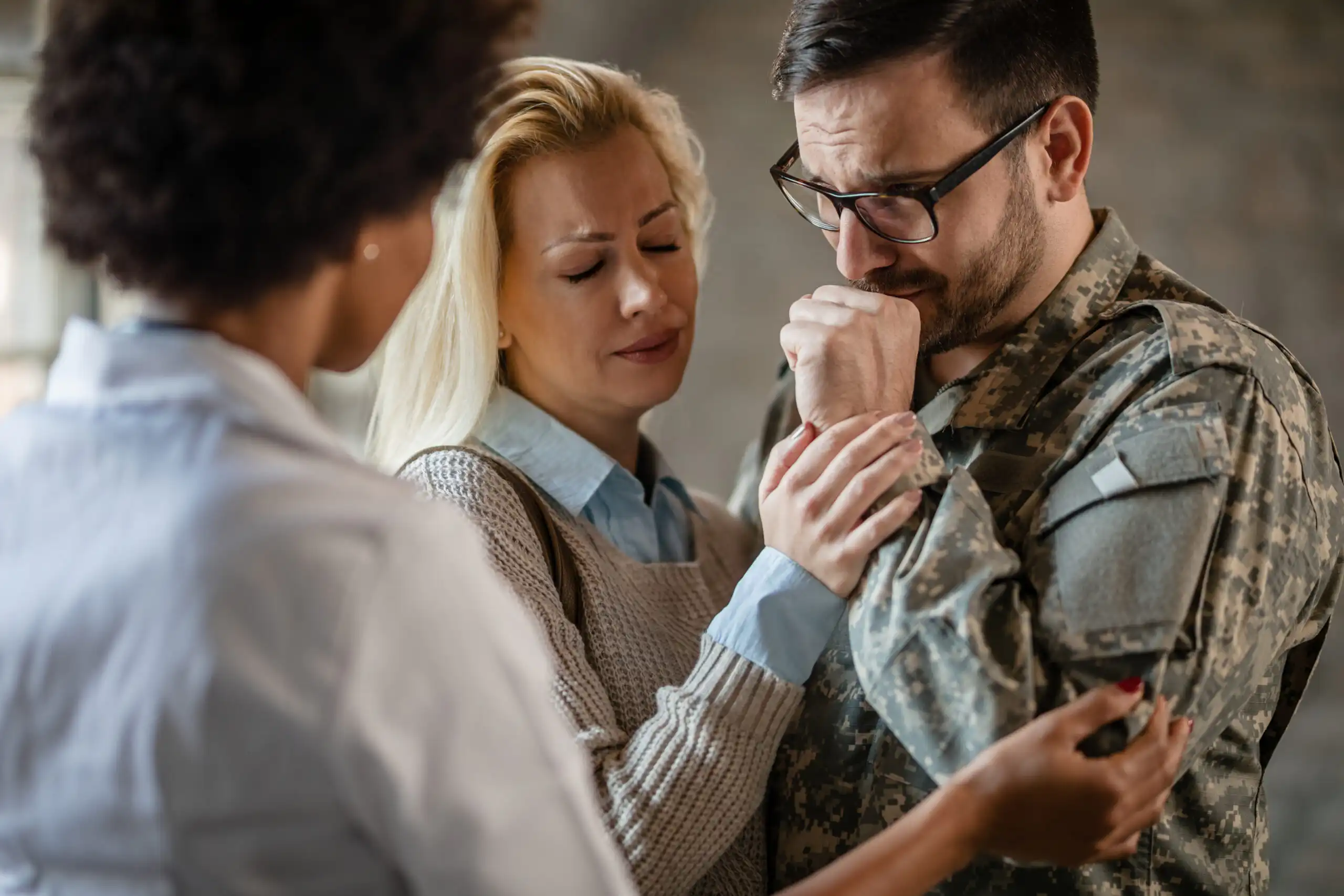
When the battle ends overseas, another one often begins at home. Military counseling represents more than just a clinical intervention—it’s a lifeline for those who’ve served, offering specialized support that recognizes the unique psychological landscape of military life. For veterans and active-duty service members navigating mental health challenges, understanding the breadth and depth of available military counseling options can make the difference between struggling in silence and finding a path toward genuine healing.
Understanding Military Mental Health Challenges
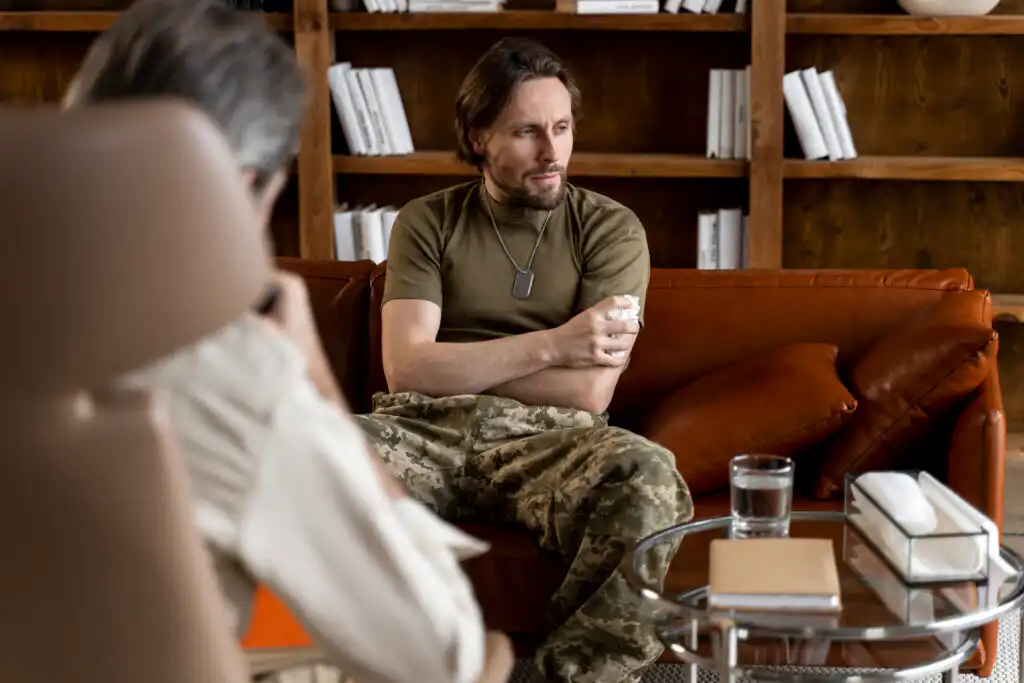
The intersection of military service and mental health isn’t merely academic—it’s intensely personal for millions of Americans. Military mental health challenges emerge from experiences that most civilians will never encounter. Combat exposure, prolonged separation from family, and the constant vigilance required in hostile environments create a unique psychological footprint. Moreover, research indicates that military personnel face distinct stressors that compound over time, affecting both mental and physical wellbeing [1].
What makes military counseling essential is its specialized approach. Unlike standard therapeutic interventions, military counseling addresses service-specific traumas and transitions. Furthermore, it acknowledges the cultural aspects of military life—the emphasis on strength, the brotherhood forged in adversity, and the sometimes-difficult transition back to civilian society. These factors require counselors who understand not just psychology, but military culture itself.
Common Mental Health Issues
Post-Traumatic Stress Disorder (PTSD)
PTSD stands as perhaps the most recognized military mental health condition, yet it’s frequently misunderstood. This condition emerges when traumatic experiences overwhelm the brain’s natural processing mechanisms. Consequently, service members may experience flashbacks, hypervigilance, and emotional numbing that disrupt daily functioning. Studies show that effective military counseling significantly reduces PTSD symptoms when treatment begins early [2].
The manifestation of PTSD varies considerably among individuals. Some veterans experience nightmares and intrusive memories, while others struggle with emotional detachment or angry outbursts. Additionally, many find themselves constantly scanning their environment for threats, unable to relax even in safe settings. Military counseling programs specifically designed for PTSD utilize evidence-based approaches like Cognitive Processing Therapy and Eye Movement Desensitization and Reprocessing (EMDR).
Military Sexual Trauma (MST)
Military sexual trauma represents a devastating reality that affects both men and women in service. MST encompasses sexual assault or repeated threatening sexual harassment experienced during military service. Importantly, military counseling for MST survivors requires specialized training and sensitivity. The intersection of trauma, military hierarchy, and gender dynamics creates complex psychological wounds that demand expert intervention.
Survivors of MST often face unique barriers to seeking help. Fear of repercussions, concerns about career impact, and the challenge of reporting within the chain of command all complicate recovery. Nevertheless, dedicated military mental health programs now offer confidential support specifically tailored to MST survivors, providing safe spaces for healing.
Depression and Anxiety
Depression and anxiety don’t discriminate based on rank or service branch. These conditions affect service members and veterans at alarming rates, often co-occurring with other mental health challenges. Symptoms range from persistent sadness and loss of interest to overwhelming worry and physical tension. Furthermore, the stigma surrounding mental health in military culture can prevent individuals from seeking necessary military counseling services.
The good news? Effective therapy for active duty military personnel and veterans exists. Military mental health counselors employ various therapeutic modalities, including Cognitive Behavioral Therapy (CBT) and medication management when appropriate. Research demonstrates that integrated treatment approaches yield the best outcomes for depression and anxiety in military populations [3].

Challenges Faced by Veterans Transitioning to Civilian Life
Transitioning from military to civilian life isn’t simply a change of address—it’s a fundamental shift in identity and purpose. Veterans face numerous obstacles as they navigate this transition. The structured environment of military life gives way to civilian society’s ambiguity, which can feel disorienting. Additionally, translating military skills into civilian job qualifications presents ongoing challenges.
Social connections often suffer during this transition period. The intense bonds formed in military service rarely have civilian equivalents, leaving veterans feeling isolated. Military counseling programs specifically addressing transition challenges help veterans develop new support networks and redefine their sense of purpose. These programs recognize that successful transition requires both practical support and emotional processing.
Employment challenges compound mental health struggles for many veterans. Despite valuable skills and experience, veterans sometimes encounter barriers in the civilian job market. Consequently, financial stress can exacerbate existing mental health conditions. Comprehensive military mental health programs address these intersecting challenges, offering vocational support alongside therapeutic interventions.
Supporting Veterans’ Mental Health
Mental Health Services for Veterans
Mental health services for veterans have expanded significantly in recent years. The Veterans Affairs (VA) system provides extensive resources, including individual therapy, group counseling, and psychiatric care. Beyond the VA, numerous community-based organizations offer specialized military counseling services. These programs often provide more immediate access and may feel less institutional to some veterans.
Innovative approaches to mental health resources for active duty military personnel continue emerging. Telehealth options have revolutionized access to care, particularly for veterans in rural areas or those with mobility limitations. Furthermore, peer support programs connect veterans with others who understand their experiences, creating powerful healing communities.
The Importance of Community Support
Community support serves as a crucial protective factor for veterans’ mental health. When civilians understand military culture and the challenges veterans face, they can offer more meaningful support. Local organizations, faith communities, and veteran service organizations all play vital roles in creating supportive environments.
Family members need support too. The ripple effects of military service touch entire families, and military counseling often includes family therapy components. Spouses, children, and parents of service members benefit from learning how to support their loved ones while maintaining their own mental health. Building these support networks requires intentional effort and community engagement.
Addressing Barriers to Mental Health Care
Stigma and Misunderstanding
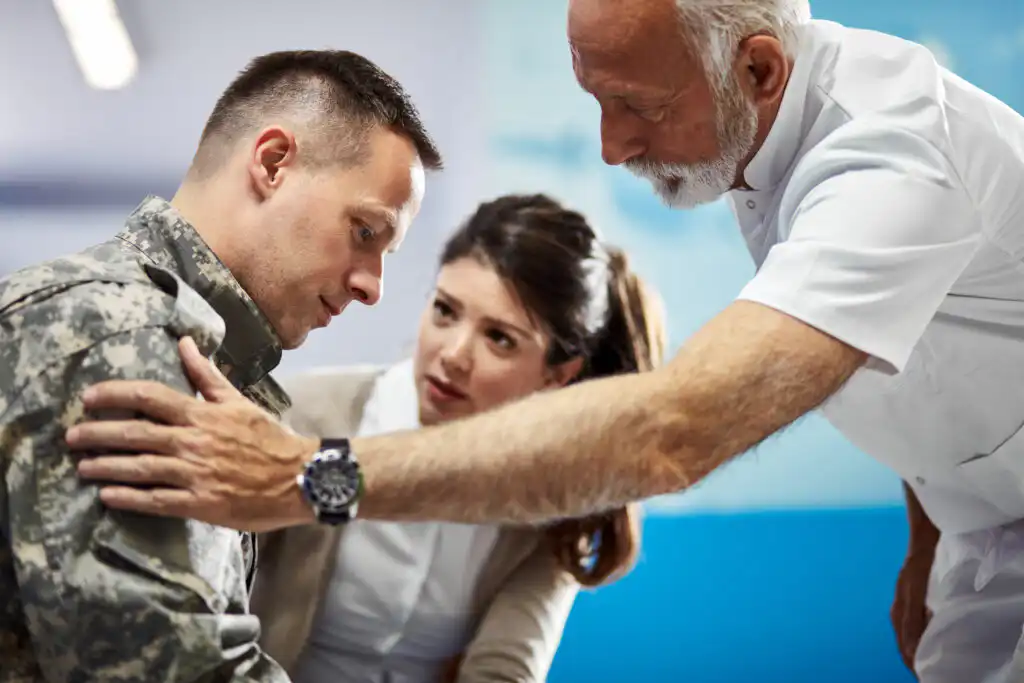
Stigma remains one of the most significant barriers to military counseling. Military culture traditionally emphasizes strength, resilience, and self-sufficiency. Unfortunately, these values sometimes translate into viewing mental health struggles as weakness. This perspective prevents many service members from seeking help until crises emerge.
Combating stigma requires cultural change within military and veteran communities. Education about mental health conditions as treatable medical issues—not character flaws—gradually shifts attitudes. Moreover, when respected leaders share their own mental health journeys, it normalizes seeking military counseling services. This cultural transformation is ongoing but essential.
Access to Care
Access challenges extend beyond stigma. Geographic barriers affect rural veterans who may need to travel hours for military mental health programs. Wait times for appointments can stretch weeks or months, delaying critical intervention. Insurance coverage gaps create financial barriers for some veterans, particularly those seeking care outside the VA system.
Addressing these access issues requires multifaceted solutions. Expanding telehealth capabilities brings military counseling directly into veterans’ homes. Increasing funding for military mental health resources strengthens existing programs and creates new ones. Additionally, partnerships between VA facilities and community providers expand treatment options.
Encouraging Early Intervention
Early intervention dramatically improves outcomes for military mental health challenges. When service members receive military counseling at the first signs of struggle, they often avoid more severe complications. However, encouraging early intervention means overcoming both systemic and personal barriers.
Education plays a crucial role here. Teaching service members to recognize mental health symptoms in themselves and their peers enables earlier help-seeking. Furthermore, normalizing mental health check-ins as routine maintenance—like physical fitness assessments—reframes counseling as proactive rather than reactive. This shift in perspective could revolutionize how military personnel approach their psychological wellbeing.
Therapy & Treatment for Military Service Members at Garden Springs Wellness
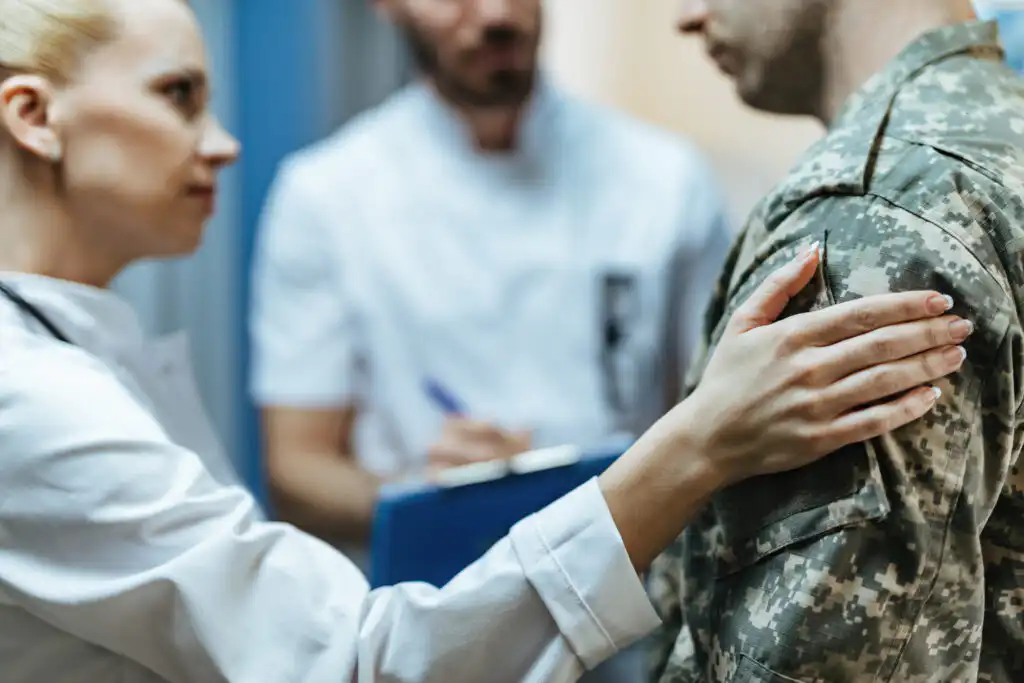
At Garden Springs Wellness, we understand that military counseling requires more than clinical expertise—it demands cultural competency and deep respect for your service. Our premiere mental health treatment center in New Jersey offers specialized programs designed specifically for military personnel and veterans. We recognize the unique challenges you face, from combat-related trauma to transition stress, and we’re equipped to address them comprehensively.
Our treatment approach integrates evidence-based therapies with personalized care plans. Whether you’re struggling with PTSD, depression, anxiety, or the complexities of civilian transition, our experienced clinicians provide the military counseling you deserve. We offer both individual and group therapy options, allowing you to choose the setting where you feel most comfortable. Additionally, our programs address co-occurring conditions and incorporate family therapy when appropriate.
What sets Garden Springs Wellness apart is our commitment to removing barriers to care. We work with TRICARE and other insurance providers to ensure treatment accessibility. Our flexible scheduling accommodates active-duty personnel and veterans with employment or family obligations. Most importantly, we create a judgment-free environment where seeking help is recognized as the courageous step it truly is.
If you’re ready to take that step, we’re here to walk alongside you. The journey toward mental wellness begins with a single conversation. Contact us today to learn more about our military counseling programs and how we can support your recovery. Your service deserves to be honored with the highest quality mental health care—and that’s exactly what we provide.
Frequently Asked Questions
Q: How is military counseling different from regular therapy? A: Military counseling incorporates specialized understanding of military culture, service-related trauma, and the unique stressors faced by service members and veterans. Counselors with military expertise can better contextualize experiences like combat exposure, military sexual trauma, and transition challenges within the framework of military life.
Q: Will seeking military counseling affect my security clearance or military career? A: Generally, seeking mental health treatment does not automatically disqualify you from security clearances or military service. However, specific circumstances vary, and it’s important to understand your branch’s policies. Many service members successfully maintain their careers while receiving military mental health care.
Q: What types of therapy are most effective for military-related PTSD? A: Evidence-based treatments like Cognitive Processing Therapy (CPT), Prolonged Exposure Therapy (PE), and Eye Movement Desensitization and Reprocessing (EMDR) have demonstrated strong effectiveness for military-related PTSD. Your military counselor will work with you to determine the best approach based on your specific experiences and symptoms.
Q: Can family members participate in military counseling programs? A: Yes, many military mental health programs include family therapy components. Family involvement often enhances treatment outcomes by improving communication, building support systems, and addressing how military service impacts entire family units. Spouses and children can benefit significantly from participating in appropriate aspects of treatment.
Q: How do I access military counseling services if I’m no longer active duty? A: Veterans can access military counseling through the VA healthcare system, Vet Centers, and community-based providers who specialize in military mental health. Many private practice counselors and treatment centers, including Garden Springs Wellness, offer specialized programs for veterans. TRICARE and other insurance options may provide coverage depending on your specific situation.
Sources
[1] Psychiatry Online – Military Mental Health Services: https://psychiatryonline.org/doi/full/10.1176/appi.ps.202100112
[2] National Center for Biotechnology Information – Veteran Mental Health: https://www.ncbi.nlm.nih.gov/books/NBK572092/
[3] PMC – Military Counseling Effectiveness Research: https://pmc.ncbi.nlm.nih.gov/articles/PMC11817780/

What to Expect from an Evening Mental Health IOP
Balancing mental health treatment with life’s daily demands can be challenging. Whether you’re w

6 Signs Someone Has an Anxiety Disorder
Anxiety is a normal response to stressful situations—it helps you stay alert and respond to challe

How Couples Therapy Can Heal Relationships Impacted by Mental Health Conditions
Mental health challenges don’t exist in isolation; they affect not just the individual but the rel